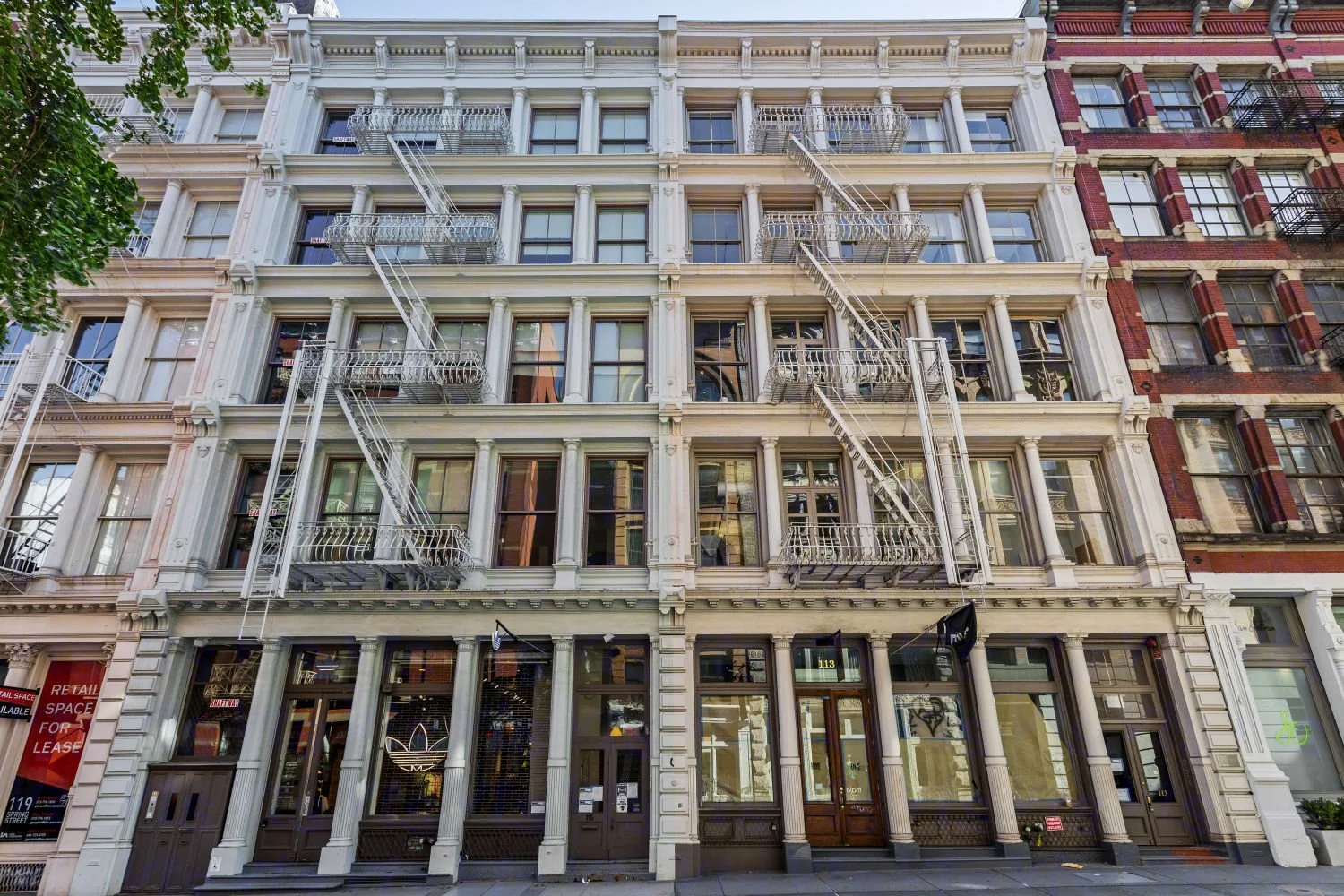
Window Work in Historic NYC
Hundreds of Permits Filed.
Every District. Every Material.
New York City has 141 designated historic districts and more than 36,000 individually landmarked buildings. Any window replacement in these areas requires Landmarks Preservation Commission approval before a single sash is removed. The process is specific, documentation-heavy, and unforgiving of shortcuts.
Kenemax has navigated this process hundreds of times - across brownstones in Brooklyn, pre-war co-ops on the Upper West Side, cast-iron lofts in SoHo, and row houses in Harlem. We know what the Commission reviews, what gets rejected, and how to prepare a submittal that moves efficiently through the approval process.
Districts in NYC
Buildings
by Kenemax
Working in a designated building? Call us before ordering anything - the product must meet LPC specifications or the permit will not be approved.
The LPC Approval Process
We confirm your building's landmark status, identify the applicable historic district guidelines, and assess existing window conditions - dimensions, profiles, materials, and any prior approvals on file.
We select products that match the period character of the building - appropriate profiles, sight lines, glazing, and finish. We work across aluminum, steel, wood, and fiberglass systems to find what the Commission will approve.
We prepare the complete CNE or Certificate of Appropriateness application: field survey drawings, product specifications, material samples, cut sheets, and supplemental documentation required by the Commission.
We submit directly to the LPC, manage all correspondence, respond to Commissioner questions, and track approval status. We handle follow-ups and any revisions required - keeping the process moving without delays.
With Commission approval secured, we manage product procurement and installation - by our own crews, to the approved specification. One point of contact from first call through final inspection.
Approved Materials & Window Systems
Modern aluminum systems with narrow sight lines and period-appropriate profiles are the most frequently approved material in NYC landmark districts. We specify systems that match historic proportions while meeting current energy and performance codes. Custom color-matched anodized and painted finishes available.
Slimmest sightlines of any material - preferred for industrial lofts, cast-iron buildings, and pre-war structures where authentic steel profiles are required. The LPC frequently mandates steel in buildings where original windows were steel. We source thermal-break steel systems that meet current energy codes while maintaining visual authenticity.
Wood windows remain the standard of care for many rowhouse and brownstone districts, particularly in Brooklyn and Manhattan. We source wood systems with factory finishes that meet the LPC's requirements for profile depth, muntin configuration, and exterior appearance. Wood-clad options with aluminum exteriors are frequently approved for maintenance longevity.
Fiberglass systems with wood-like profiles can achieve LPC approval in select districts and building types where the visual match to the original is strong. Highly durable, dimensionally stable, and well-suited for buildings where long-term low maintenance is a priority. We review each case with the Commission before specifying.
The LPC evaluates each application individually. The same product may be approved in one district and rejected in another depending on the building's designation, period of significance, and existing character. We assess your specific situation before recommending any product.
Landmark Projects Require
the Right Partner
We work directly with building owners, co-op and condo boards, property managers, architects, and general contractors navigating landmark window projects. If you're early in the process and don't yet know what you need - that's exactly when to call us. We clarify the path before you commit to any product.
Measured drawings of existing window openings and profiles, prepared to LPC submission standards.
Manufacturer documentation confirming profile dimensions, sight lines, glazing, and finish options submitted to the Commission.
Physical color and finish samples when required for Commission review and approval.
Complete Certificate of No Effect and Certificate of Appropriateness applications prepared and submitted on your behalf.
We handle all correspondence, respond to Commissioner questions, and track approval status from submission through final determination.
Permits Filed Across
NYC Historic Districts
A partial list of LPC-designated districts where Kenemax has filed window permits since 2010. Each district has its own approval rhythm - we know what each commissioner team typically looks for.
Not sure your building is designated? Send us the address - we'll confirm LPC status and walk through what your project would require.
Working in a Designated Building?
Let's Talk.
We review your building's status, confirm what the LPC requires, and walk you through realistic product options and timeline - before you make any commitments. No pressure, no guesswork.